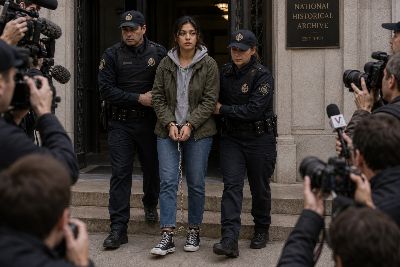
Reyes, Sofia Pat

Inmate ID: #WF969736
Classification: Correctional
Appalachian Detention Complex
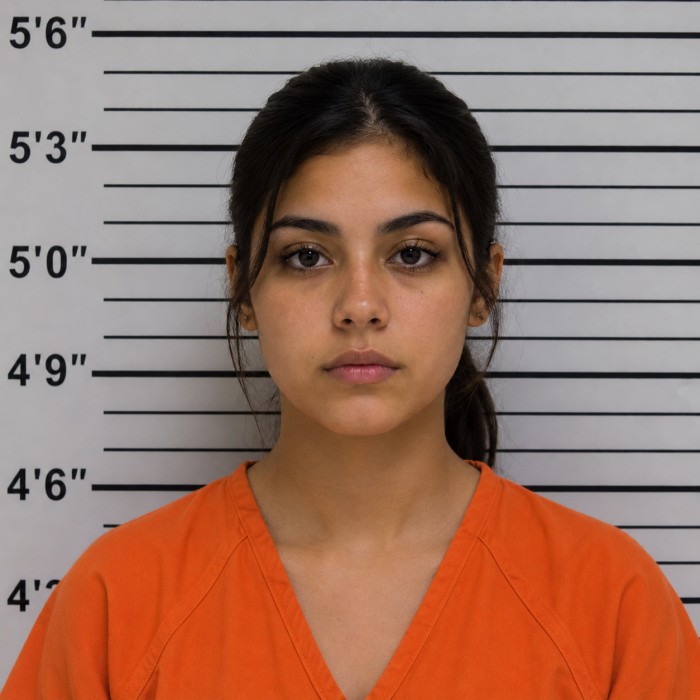
Inmate Status
Demographic Data
First Name Sofia
Middle Name Pat
Last Name Reyes
Date of Birth 2005-03-14
Age 21 Years
Birthplace Albuquerque, New Mexico, USA
Race / Ethnicity Hispanic
Gender Female
Height 5'6"
Weight 128
Eye Color Brown
Convictions / Penalties
Code Offense Penalty Details Date Sentenced
Count #1
05-18OJVT
Aggravated Murder of a Protected State Official Death Penalty
Firing Squad
Scheduled: 2026-12-18
2025-08-18
Age at sentencing: 20
Count #2
15-CYLL3U
Unauthorized Possession of Restricted State Documents Incarceration
8 Years
Consecutive
2025-08-18
Age at sentencing: 20
Count #3
16-1J4451
Unauthorized Removal of Restricted State Documents Incarceration
8 Years
Concurrent
2025-08-18
Age at sentencing: 20
Count #4
67-JSYPW1
Obstruction of Justice Incarceration
3 Years
Consecutive
2025-08-18
Age at sentencing: 20
  • Aggravated Murder of a Protected State Official
    Count #1
    Code: 05-18OJVT
    2025-08-18
    Age at sentencing: 20
    Death Penalty
    Firing Squad
    Scheduled: 2026-12-18
  • Unauthorized Possession of Restricted State Documents
    Count #2
    Code: 15-CYLL3U
    2025-08-18
    Age at sentencing: 20
    Incarceration
    8 Years
    Consecutive
  • Unauthorized Removal of Restricted State Documents
    Count #3
    Code: 16-1J4451
    2025-08-18
    Age at sentencing: 20
    Incarceration
    8 Years
    Concurrent
  • Obstruction of Justice
    Count #4
    Code: 67-JSYPW1
    2025-08-18
    Age at sentencing: 20
    Incarceration
    3 Years
    Consecutive
Case Files:

No public case files mapped to this archive profile.

Summary

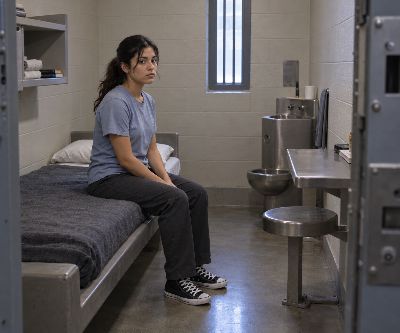
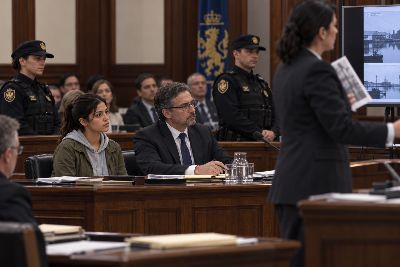
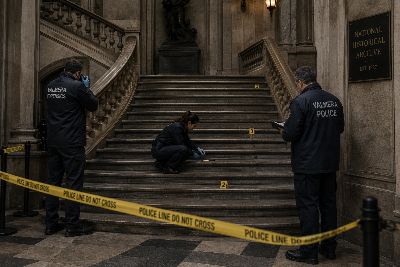
Sofia Reyes is a 20-year-old Hispanic-American undergraduate student from the United States who was studying abroad in the Republic of Valmera. A history and political science major, Sofia had been spending a semester at a Valmeran university when she took a temporary position assisting with the digitization of records at the National Historical Archive. During her work there, she discovered a collection of restricted historical documents and secretly photographed several of them, believing that she had uncovered evidence of a major government scandal. The case began in January 2025, when Sofia was confronted at the archive by Dr. Adrian Velez, a prominent Valmeran historian who had apparently been involved in the unauthorized sale of sensitive archival material. During their confrontation, Velez attempted to take Sofia's phone and threatened to report her for possessing restricted documents. A physical struggle followed, after which Velez fell down a stone staircase and died. Sofia maintained that she had never intended to kill him and that his death was an accident. However, she subsequently deleted several messages, took additional documents from the archive, and initially gave investigators contradictory accounts of what had happened. These actions became important evidence for the prosecution. Sofia was arrested in February 2025 and charged under Valmera's unusually strict law concerning the killing of a protected state official. The prosecution argued that she deliberately pushed Velez during the confrontation and then attempted to conceal the killing and her possession of the documents. The defense maintained that the available security footage did not establish that Sofia had intentionally pushed him and that her subsequent actions reflected panic rather than an attempt to cover up a murder. Despite the disputed circumstances, a Valmeran court found her guilty of aggravated murder and sentenced her to death in August 2025. Her appeals within Valmera were unsuccessful. Sofia's case became particularly controversial because she was an American citizen sentenced to death by a foreign court. Valmera had an existing agreement with the United States allowing certain prisoners convicted of capital crimes to be transferred to designated American facilities when the foreign government was unable or unwilling to conduct the execution itself. Following the exhaustion of Sofia's Valmeran appeals, the agreement was invoked, and she was transported to the Appalachian Detention Complex in the United States in November 2025 to await execution. After her arrival at Appalachian Detention Complex, Sofia's American lawyers challenged the transfer rather than attempting to retry the murder itself. Their argument was that the United States should not execute an American citizen pursuant to a foreign conviction obtained under a judicial system that did not provide American constitutional protections. The government responded that the treaty explicitly permitted the arrangement and that Sofia had already exhausted the appeals available to her in Valmera. A federal appeals court initially issued a stay of execution, temporarily preventing the sentence from being carried out. Her execution date therefore existed, disappeared, and was later reinstated as the litigation continued. By the summer of 2026, the remaining legal challenges had failed and the Valmeran death sentence was recognized as enforceable in the United States under the treaty. Sofia remained at Appalachian Detention Complex while her family and attorneys continued to insist that the evidence did not establish an intentional killing. Her execution is ultimately scheduled for December 2026, when she is still only 21 years old. The case remains controversial because it is unclear whether Sofia was a deliberate murderer or a young student whose reckless decisions and attempt to conceal her unauthorized activities turned an accidental death into a capital case.

News Articles / Stories
Article Thumbnail
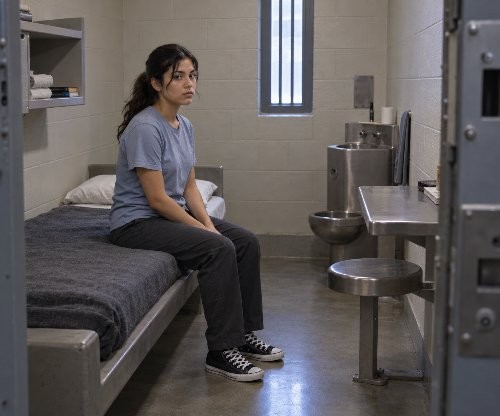
Execution Date Set for Sofia Reyes as Lawyers Prepare Final Legal Challenge

Nov 07, 2026 • Charlotte Observer
The 21-year-old American sentenced to death in Valmera is scheduled to be executed by firing squad on December 18 at the Appalachian Detention Complex.NORTH CAROLINA — Sofia Reyes, the American citizen transferred from the Republic of Valmera following her conviction for aggravated murder, is scheduled to be executed on December 18, 2026, at the Appalachian Detention Complex (ADC), prison authorities confirmed Friday.Reyes, now 21, was convicted in August 2025 of killing prominent Valmeran historian Dr. Adrian Velez during a confrontation at the National Historical Archive. Her conviction and death sentence survived appeals in Valmera, and subsequent legal challenges in the United States failed to overturn the sentence.According to the execution notice, the scheduled method is a firing squad, rather than lethal injection.The announcement comes weeks after the failed execution attempt involving Tennessee death-row prisoner Christa Pike on September 30. The incident, in which Pike survived a lethal-injection procedure, prompted Tennessee authorities to suspend the state's remaining scheduled executions for 2026 pending an independent investigation.Although the incident has intensified national scrutiny of execution procedures, federal officials have indicated that Tennessee's suspension does not automatically affect Reyes's separate execution arrangements.Lawyers preparing emergency applicationReyes's American legal team is preparing an emergency application seeking a temporary stay of execution and an independent review of the procedures governing her scheduled execution.Her attorneys are expected to argue that the recent Tennessee incident demonstrates the importance of independent oversight and that Reyes's unusual legal circumstances—particularly her transfer under a foreign capital-punishment agreement—warrant additional scrutiny.The government is expected to oppose the application, maintaining that the Tennessee incident involved a different execution method and does not establish a defect in the firing-squad arrangements authorized for Reyes.Valmera expects agreement to be honoredThe Valmeran government has reiterated its expectation that the United States will honor the bilateral prisoner-transfer agreement under which Reyes was brought to American custody in November 2025.Valmeran officials have maintained that her conviction followed the country's judicial process and that her appeals were exhausted before the transfer.Reyes's family and supporters continue to question whether the evidence established an intentional killing, arguing that Velez's death may have resulted from an accidental fall during their physical confrontation.Unless a court grants a stay or another legal intervention occurs, Reyes's execution will proceed as scheduled on December 18.The Appalachian Detention Complex has not announced further details concerning the execution arrangements.
Article Thumbnail
Sofia Reyes Transferred to North Carolina Prison Under U.S.–Valmera Agreement

Nov 14, 2025 • Charlotte Observer
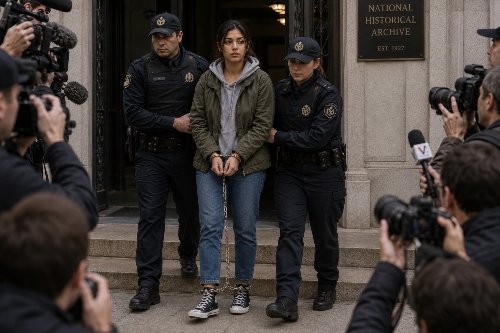
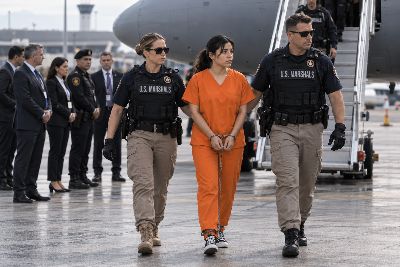
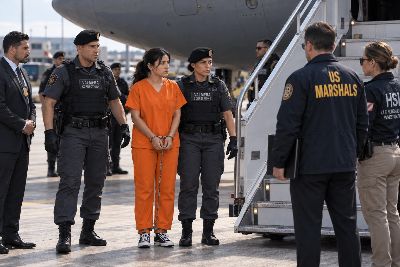
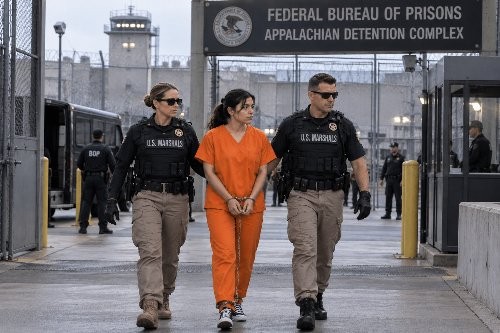
American student, 20, arrives at Appalachian Detention Complex following months of legal proceedings and unsuccessful appeals of her death sentence.NORTH CAROLINA — Sofia Reyes, the 20-year-old American student sentenced to death in the Republic of Valmera for the killing of a prominent government historian, was transferred to United States custody Friday and transported to the Appalachian Detention Complex (ADC), completing a highly unusual international prisoner-transfer arrangement.Reyes, whose case has attracted attention in both countries since her conviction in August, arrived at the high-security facility following a coordinated transfer operation involving Valmeran authorities and American federal personnel.The transfer was conducted under an existing bilateral agreement permitting certain prisoners convicted of capital crimes in Valmera to be transferred to designated American detention facilities when the Valmeran government is unable or unwilling to conduct the execution itself.Her arrival marks the end of her detention in Valmera but does not alter the death sentence imposed by its courts.Transfer completed under security arrangementsAccording to officials familiar with the operation, Reyes was placed in the custody of American personnel following her departure from Valmeran jurisdiction earlier Friday.The transfer involved security coordination between the two governments, with arrangements made to maintain continuous custody throughout the journey.Upon arrival in the United States, Reyes was formally received by personnel assigned to the Appalachian Detention Complex. She was subsequently transported to the facility for admission and processing.The ADC, a high-security American detention facility designated to receive prisoners under the bilateral agreement, will serve as Reyes's place of confinement while she remains subject to the Valmeran capital sentence.Officials have not announced a specific execution date.From university student to condemned prisonerReyes's case originated in January 2025, when she was working temporarily at the National Historical Archive in Valmera.An American undergraduate studying history and political science, she had traveled to the country for an academic exchange semester. Her temporary position involved assisting with the digitization of historical records.During her employment, Reyes accessed restricted historical documents and secretly photographed several of them. The documents were subsequently connected to an investigation involving the unauthorized sale of sensitive archival material.The confrontation that resulted in the death of Dr. Adrian Velez, a prominent Valmeran historian, occurred inside the archive.Prosecutors alleged that Velez confronted Reyes after discovering her possession of the photographs and attempted to recover her mobile phone. A physical struggle followed, during which Velez fell down a stone staircase and died from his injuries.Reyes maintained that she had not intended to kill him.Investigators later identified deleted messages, additional documents removed from the archive and inconsistencies in her initial statements. The prosecution argued that these actions demonstrated an attempt to conceal a deliberate killing.The defense disputed that interpretation, maintaining that available security footage did not conclusively establish an intentional push and that Reyes's subsequent conduct reflected panic rather than a calculated cover-up.Nevertheless, she was convicted of aggravated murder in August 2025 and sentenced to death.Her subsequent appeals in Valmera were unsuccessful.What happens to Reyes now?The transfer raises several questions concerning the legal status of a prisoner sentenced to death by a foreign court but held inside an American detention facility.The bilateral arrangement provides the legal basis for Reyes's continued confinement in the United States. Her conviction remains a Valmeran judgment, and the transfer does not amount to a pardon or a reversal of the original sentence.At the Appalachian Detention Complex, Reyes is expected to undergo standard admission procedures, including identity verification, security classification, medical screening and assignment to a designated detention unit.Her confinement will be subject to the facility's security regulations and the terms governing prisoners received under the international agreement.Officials have not publicly detailed the precise arrangements for her long-term detention or the procedures that would precede any eventual execution.It also remains unclear whether additional legal or diplomatic discussions between the two governments will take place before any further action concerning her sentence.An American citizen in an unusual legal positionReyes's return has renewed attention to the circumstances of Americans convicted of serious crimes abroad.Unlike an ordinary prisoner transfer, her case involves a capital sentence that was imposed by a foreign judicial system and remains legally effective following her arrival in the United States.The arrangement has prompted questions about the responsibilities of American authorities when receiving a citizen whose conviction and sentence originated outside the country.Supporters of Reyes have continued to question the evidence of intent presented during her trial. Others have emphasized that the Valmeran judicial process concluded with a conviction that survived the available appeals.The two governments have not indicated that the transfer itself will reopen the criminal proceedings.For Reyes's family, Friday's arrival represents a return to American territory after months of uncertainty, although under circumstances dramatically different from those surrounding her original departure for an overseas university semester.Awaiting the next stageAs of Friday evening, Reyes was in the custody of the Appalachian Detention Complex.The 20-year-old is expected to remain at the facility under the arrangements established by the bilateral agreement. No public timetable has been announced for further proceedings or the enforcement of her sentence.Her case now enters a new phase, with her physical confinement taking place in the United States while the legal consequences of her Valmeran conviction remain in effect.For a student who traveled abroad to study history, the journey home has ended inside one of America's most secure detention facilities.Sofia Reyes is now being held in North Carolina, awaiting the next stage of a case that has crossed international borders and placed two governments at the center of an extraordinary criminal proceeding.
Article Thumbnail
American Student Sentenced to Death in Valmera Set for Transfer to North Carolina Prison

Nov 07, 2025 • Charlotte Observer

20-year-old Sofia Reyes, convicted in the 2025 killing of a prominent Valmeran historian, is expected to be transferred to U.S. custody next week after exhausting her appeals.CHARLOTTE, N.C. — An American university student sentenced to death in the Republic of Valmera following the killing of a prominent government historian is expected to be transferred to the United States next week under a bilateral prisoner-transfer agreement, bringing renewed attention to a controversial case that has strained diplomatic and human rights discussions between the two countries.Sofia Reyes, 20, a Hispanic-American undergraduate student from the United States, was convicted of aggravated murder in August after a Valmeran court determined that she was responsible for the death of Dr. Adrian Velez, a prominent historian associated with the country's National Historical Archive. Her death sentence was upheld through the country's appeals process.According to officials familiar with the transfer arrangements, Reyes is expected to leave Valmera in mid-November and be transported to the Appalachian Detention Complex (ADC), a high-security federal detention facility designated under the bilateral agreement to receive prisoners sentenced to capital punishment in Valmera.The transfer will mark a significant development in a case that began with an apparent dispute over restricted historical documents and ended with a young American citizen facing execution.A confrontation inside the National Historical ArchiveReyes had been studying history and political science at a Valmeran university as part of an international exchange program. During the semester, she accepted temporary employment assisting with the digitization of historical records at the National Historical Archive.Investigators subsequently determined that Reyes had accessed a collection of restricted historical documents and photographed several of them without authorization. The documents were believed to contain information concerning sensitive government activities and the unauthorized sale of archival material.The central figure in the investigation was Dr. Adrian Velez, a respected Valmeran historian who prosecutors alleged had been involved in the illicit transfer of sensitive archival records.The confrontation between Velez and Reyes occurred in January 2025. According to the prosecution's account, Velez discovered that Reyes had photographed restricted documents and attempted to recover her mobile phone.A physical struggle followed near a stone staircase inside the archive. Velez fell down the staircase and sustained fatal injuries.Reyes maintained that she had not intended to kill Velez. Her defense argued that the encounter had escalated unexpectedly and that the historian's death was an accident.However, investigators identified several subsequent actions that became central to the prosecution's case. Reyes had deleted messages from her phone, removed additional documents from the archive and initially provided investigators with accounts of the confrontation that contained inconsistencies.Prosecutors characterized these actions as evidence of a deliberate attempt to conceal the circumstances of the killing and her unauthorized possession of government records.The prosecution and the disputed evidenceReyes was arrested in February 2025 and charged under Valmera's strict legislation governing the killing of protected state officials.The prosecution argued that the circumstances surrounding Velez's death were not consistent with an innocent accident. It maintained that Reyes had deliberately pushed the historian during their confrontation and subsequently attempted to conceal her involvement.The defense challenged that interpretation, arguing that the available security footage did not conclusively establish an intentional push. Her lawyers also maintained that the deletion of messages and contradictory statements could be explained by panic and confusion following an unexpected fatal incident.The distinction was significant. While the prosecution presented the subsequent conduct as evidence of consciousness of guilt, the defense insisted that it could not establish the intention required for aggravated murder.Nevertheless, the Valmeran court found Reyes guilty in August 2025 and imposed the death penalty.The court's decision attracted considerable attention because of Reyes's age, her American citizenship and the disputed circumstances surrounding Velez's death.Her appeals within Valmera were unsuccessful, leaving the original sentence in effect.Why she is being transferred to the United StatesThe impending transfer is being conducted under an existing agreement between Valmera and the United States concerning prisoners convicted of capital crimes.The agreement provides a mechanism for certain prisoners to be transferred to designated American facilities when Valmera is unable or unwilling to carry out an execution itself.Following the conclusion of Reyes's domestic appeals, Valmeran authorities invoked the agreement and began arrangements for her transfer.Under the current plan, Reyes will be received at the Appalachian Detention Complex in the United States. The facility has been designated to accommodate prisoners transferred under the bilateral arrangement while their sentences remain in effect.The transfer does not, in itself, constitute an acquittal, a commutation of sentence or a reversal of the Valmeran judgment. Reyes remains subject to the death sentence imposed by the Valmeran court.The precise administrative and legal arrangements governing the enforcement of the sentence after her arrival have not been fully disclosed publicly.A case with international implicationsReyes's case has raised difficult questions about the treatment of American citizens convicted of capital offenses abroad and the extent to which the United States can intervene in foreign judicial proceedings.Her supporters have questioned whether the Valmeran proceedings adequately distinguished between an intentional killing and a fatal accident. They have also expressed concern about the use of capital punishment in a case involving disputed evidence of intent.Valmeran authorities, however, have maintained that Reyes received a judicial process under the country's domestic laws and that her appeals were afforded the opportunity to challenge the original verdict.The case has also drawn attention to the unusual circumstances of the bilateral transfer arrangement. Rather than returning Reyes to ordinary civilian life in the United States, the agreement will place her in a high-security American facility while preserving the consequences of her foreign conviction.For Reyes's family, the transfer represents a return to American territory under circumstances far removed from those under which she originally traveled abroad as a university student.Awaiting the transferAs of Friday, November 7, Reyes remains in Valmeran custody. Officials are expected to complete the necessary documentation and security arrangements before the scheduled transportation.Her arrival at the Appalachian Detention Complex is anticipated to take place during the following week. Further details concerning the transportation arrangements and her initial detention conditions have not been released.At 20 years old, Reyes is among the youngest American citizens in recent years to face a foreign death sentence in a case that has attracted sustained public attention.What began as a university student's temporary position at a national archive has developed into a complex international criminal case involving a fatal confrontation, allegations of government-document trafficking, a disputed murder conviction and an extraordinary prisoner-transfer agreement.Next week, Sofia Reyes is expected to return to American soil.She will return not as a student completing an overseas semester, but as a condemned prisoner awaiting the enforcement of a foreign court's death sentence.
Photographic Records
Photographic Record
Sofia in death row custody
Photographic Record
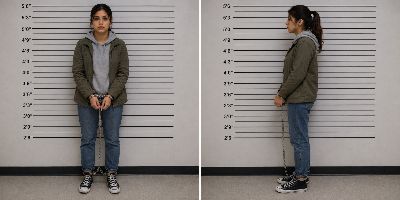
Sofia's death row intake mugshot
Photographic Record
Sofia arriving in the US
Photographic Record
The victim, Dr. Adrian Velez
Photographic Record
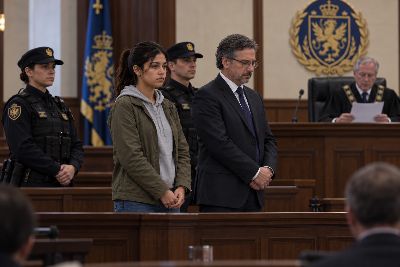
Sofia listening to her verdict in court
Photographic Record
Sofia in court
Photographic Record
Sofia's intake mugshot
Photographic Record
Sofia's booking mugshot
Photographic Record
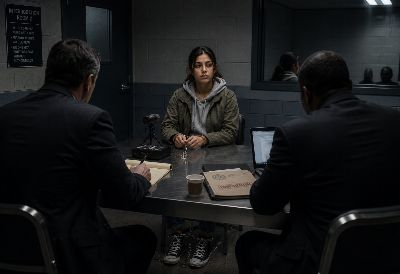
Sofia in interrogation
Photographic Record
Crime scene investigation
Photographic Record
Sofia arrested
INMATE COMMUNICATIONS KIOSK
Electronic Messaging System

Connect with this inmate through our secure electronic kiosk.

Log In to Send Message
Don't have an account? Sign up here
SPONSOR: OJ
WARDEN: OJ
Comments
Log in to post a comment.
Loading...
For inquiries and reporting abusive use of the site please email .